
Worry comes with parenting. A baby coughs, rolls, refuses a bottle, sleeps longer than usual, or wakes more than usual, and the mind can race. Some of that alertness is protective. It helps parents respond, plan, and notice when something truly needs attention.
But worry can cross a line. When it starts stealing sleep, crowding out joy, causing constant checking, or making daily life feel unsafe even when the baby is okay, it may be more than normal new-parent stress.
This article is for general education only and is not a substitute for medical care. If anxiety feels intense, persistent, or unsafe, reach out to a health care professional.
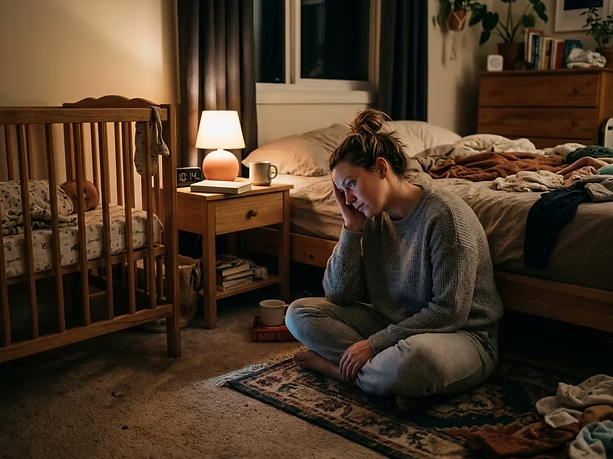
Nighttime checking can feel responsible, but it can also keep the nervous system on high alert.
Some worry is normal after having a baby
New parents are wired to listen for danger. That is not a flaw. It is part biology, part love, and part the reality that babies need a lot of care.
Normal worry may look like:
Checking that the baby is breathing before going to sleep
Feeling nervous the first time leaving the baby with someone else
Googling a symptom, then feeling better after getting reliable information
Waking quickly when the baby cries
Feeling more cautious about illness, feeding, or sleep safety
This kind of worry usually comes and goes. It responds to reassurance. It does not take over the whole day. A parent can still rest, laugh, focus, eat, and connect with other people.
The challenge is that postpartum life often makes anxiety easier to miss. Sleep is broken. Routines change. Hormones shift. The stakes feel high. Friends and family may say, “That’s just motherhood,” even when something more serious is happening.
That is why it helps to understand normal vs excessive mom anxiety. Normal worry alerts you to care for your child. Excessive worry keeps sounding the alarm after the situation is safe.
Signs that worry may be becoming too much
Anxiety becomes a concern when it is frequent, intense, hard to control, or starts changing behavior in ways that harm the parent’s health or the family’s daily life.
Common signs of maternal anxiety include:
Racing thoughts that are hard to turn off
Repeated checking, even when everything is fine
Trouble sleeping when the baby is sleeping
Feeling keyed up, restless, or unable to relax
Irritability or sudden anger
Tight chest, nausea, dizziness, or a pounding heart
Avoiding normal activities because something bad “might” happen
Needing constant reassurance from a partner, family member, doctor, or app
Intrusive scary thoughts that feel upsetting and unwanted
Difficulty bonding because fear is always in the way
One key sign is this: the behavior meant to reduce anxiety only helps for a moment, then the fear comes back stronger.
For example, checking the monitor once may feel calming. Checking it 20 times may teach the brain, “I can only be safe if I keep checking.” That cycle can grow quickly.
The baby monitor story I see more often than people realize
I once cared for a mother who told me she was not sleeping well. Her child was about 1 year old. At first, it sounded like the usual story of parenting a young child: frequent wake-ups, light sleep, and feeling exhausted all the time.
As we talked more, the pattern became clear.
Her daughter was sleeping. The mother was the one waking. She had the baby monitor right next to her bed, turned up to full volume. Every rustle, sigh, roll, or small sound woke her. She had been doing this for a year.
She was trying to be attentive. She was trying to be safe. But the monitor had turned into a sleep thief.
That kind of baby monitor anxiety can sneak up on a parent. It feels responsible at first. Then it becomes a habit of nighttime surveillance. The parent’s brain stops getting long stretches of rest, and daytime anxiety often gets worse.
My advice to her was not to throw the monitor away overnight. That would have felt too abrupt. Instead, I encouraged her to wean herself off it gradually.
We talked about steps like:
Moving the monitor farther from the bed
Turning the volume down one notch at a time
Using it only when truly needed
Reminding herself that ordinary sleep noises do not require a response
Trusting that a real cry would still get her attention
Most of all, I reassured her that her sleep mattered. Knowing every time her daughter moved was not more important than getting restorative sleep. In fact, protecting her sleep made her a safer, calmer, more present parent.
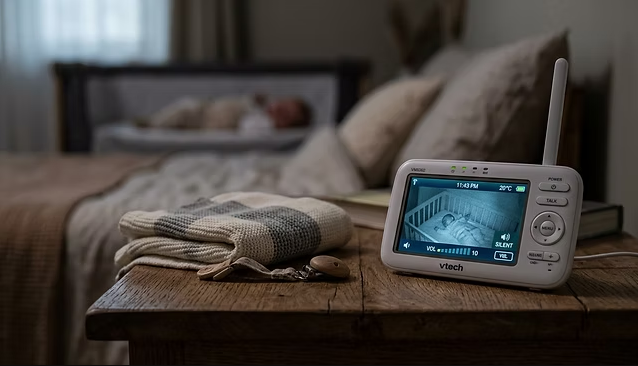
Sleep deprivation can make anxiety louder
Poor sleep does not just cause fatigue. It changes how the brain handles threat. After several nights of broken sleep, everyday concerns can feel urgent. Small noises feel alarming. Decisions feel harder. Patience gets thinner.
This is one reason sleep deprivation in new moms can look like anxiety, depression, anger, or burnout. A parent may think, “I am failing,” when the body is actually running on too little recovery.
Sleep problems and anxiety can feed each other:
| Anxiety pattern | What it can lead to |
|---|---|
| Listening for every sound | More nighttime waking |
| Rechecking the baby often | Less deep sleep |
| Reading worst-case stories online | More fear before bed |
| Avoiding rest because “something could happen” | Exhaustion and stronger anxiety |
| Feeling exhausted during the day | Less confidence and more worry |
This does not mean sleep fixes everything. Some parents need therapy, medication, medical evaluation, or more support. But sleep is often one of the first places to look because the nervous system cannot calm down when it never gets a chance to recover.
When to seek help for worry after birth
Many parents wait too long to ask for help because they think they should be able to handle it. Anxiety is not a character flaw. It is a health issue, and it is treatable.
Consider reaching out for post-partum anxiety help if worry:
Lasts most days for more than a couple of weeks
Stops sleep even when the baby is asleep
Leads to repeated checking or compulsive routines
Causes panic attacks
Makes it hard to eat, rest, leave the house, or care for yourself
Interferes with bonding or enjoying your child
Creates conflict with a partner or family members
Feels impossible to control
Get urgent help right away if there are thoughts of self-harm, thoughts of harming the baby, feeling detached from reality, hearing or seeing things others do not, extreme confusion, or feeling unable to stay safe. These symptoms need immediate medical attention. In the U.S., calling or texting 988 connects people with crisis support.
Some post-partum anxiety symptoms overlap with depression, obsessive-compulsive symptoms, thyroid problems, anemia, medication effects, and trauma responses. A clinician can help sort out what is happening and what kind of support fits best.
What treatment can look like
Maternal mental health treatment does not have to mean one single path. The right plan depends on symptoms, medical history, feeding preferences, support at home, and personal comfort.
Common options include:
Therapy
Cognitive behavioral therapy, exposure-based therapy, and other forms of counseling can help reduce checking, challenge catastrophic thoughts, and rebuild trust in the body and the baby’s cues.
Medication
For some parents, medication is appropriate and very helpful. A medical clinician can discuss options, including choices that may be compatible with breastfeeding when needed.
Medical evaluation
Sometimes anxiety is worsened by physical issues such as thyroid changes, anemia, pain, or poor nutrition. A basic medical check can be useful, especially when symptoms feel sudden or severe.
Support planning
More protected sleep, help with nighttime care, meal support, reduced isolation, and clearer household expectations can make treatment work better.
Asking for help does not mean a parent is unsafe or incapable. It means the parent deserves care too.
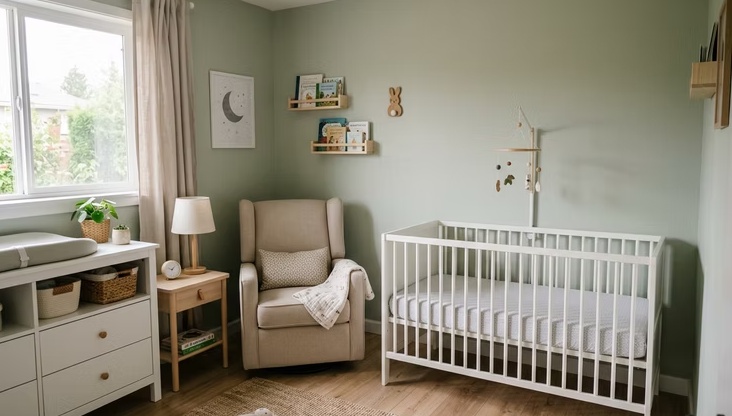
A safe sleep setup can support confidence and reduce the need for constant checking.
Ways to manage anxiety at home
At-home strategies can help, especially when symptoms are mild to moderate. They are also useful alongside professional care.
Reduce checking in small steps
If checking has become a habit, stopping all at once may feel overwhelming. Gradual change often works better.
Try choosing one behavior to adjust:
Wait 2 minutes before checking after a small noise
Lower the monitor volume slightly
Check once before bed, then pause unless there is a real cry
Keep the monitor across the room instead of beside the pillow
Turn off video if audio is enough
The goal is to teach the brain, through repetition, that not checking immediately can still be safe.
Create a simple nighttime rule
Anxiety loves unclear rules. A clear rule reduces debate at 2 a.m.
For example:
“I respond to sustained crying, signs of illness, or unusual distress. I do not respond to normal sleep sounds.”
That kind of rule helps separate useful caregiving from anxiety-driven monitoring.
Treat sleep as a health need
Good sleep habits for new mothers are not about being perfect. They are about protecting the longest stretch of rest possible.
Helpful changes may include:
Going to bed earlier a few nights a week
Taking shifts with a partner or support person when possible
Napping without guilt when safe and available
Keeping the phone away during nighttime wakes
Avoiding symptom searches in the middle of the night
Using white noise for the parent’s room if appropriate
Talking with the pediatrician if true baby sleep concerns continue
If a baby or child has medical needs, follow the care plan from the child’s clinician. But for many healthy babies and toddlers, parents do not need to hear every wiggle to keep them safe.
Limit reassurance loops
Reassurance feels good for a moment. The problem is that anxiety often asks for more.
A parent might ask:
“Are you sure she is okay?”
Then 10 minutes later:
“But what if that sound meant something?”
Instead of answering the fear over and over, try naming the loop.
“This is anxiety asking for certainty. I already checked what needed checking.”
That simple phrase can create a pause between the fear and the behavior.
Care for the body first
An anxious brain is harder to calm in an underfed, dehydrated, isolated body.
Start with basic care:
Eat regularly, even if meals are simple
Drink water during feeding or pumping times
Step outside for daylight
Move gently, such as walking or stretching
Talk to one safe adult during the day
Reduce caffeine if it worsens racing thoughts
These steps will not erase severe anxiety, but they can lower the volume.
The difference between being careful and being consumed
Careful parenting has flexibility. It allows rest. It responds to real information.
Anxiety-driven parenting feels rigid. It demands certainty. It says, “If I stop watching, something bad will happen.”
That message is powerful, but it is not always truthful.
A loving parent does not need to monitor every breath, movement, and sound to be a good parent. Babies and toddlers are noisy sleepers. They grunt, roll, sigh, squeak, and resettle. Parents need sleep too.
This is where mom anxiety can be especially painful. It often attaches itself to good intentions. The parent is not being dramatic. The fear feels real. But the solution cannot be constant self-sacrifice, because exhaustion eventually harms everyone.
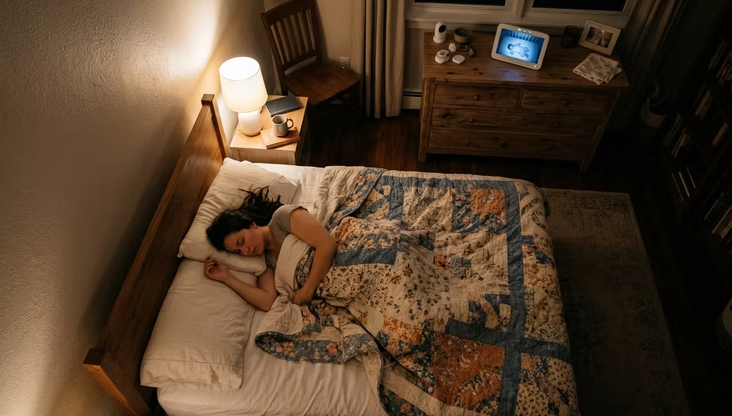
Distance from the monitor can be a practical step toward better rest.
A practical monitor weaning plan
For parents who recognize themselves in the baby monitor story, a gradual plan may help.
Try this over one to two weeks, adjusting as needed:
Move the monitor a few feet away
Keep it in the room, but not beside your head. This reduces waking from every tiny sound.
Lower the volume one level
Choose a level where a real cry is still audible, but normal sleep noises are less likely to wake you.
Set a response standard
Decide what sounds require action. A brief rustle does not need the same response as sustained crying.
Pause before checking
When you hear a small sound, take one slow breath and wait. Many children resettle quickly.
Use the monitor for need, not habit
If your child is healthy, nearby, and sleeping safely, you may not need the same level of monitoring you used in the newborn stage.
Notice how you feel during the day
Better sleep may reduce irritability, worry, and the feeling of being constantly on edge.
If lowering monitor use causes panic or feels impossible, that is a sign to get more support. The monitor may be part of a larger anxiety pattern.
The takeaway
Parenting requires attention, but it also requires recovery. A parent who sleeps is not neglectful. A parent who rests is not careless. Rest helps the brain think clearly, respond calmly, and enjoy the child in front of them.
If worry is occasional and manageable, simple home changes may be enough. If it is constant, intrusive, or stealing sleep night after night, help is available. Anxiety after birth is common, treatable, and not something a parent has to push through alone.
The goal is not to stop caring. The goal is to care without living on high alert.
Worrying about your child is natural, but constant anxiety and sleep deprivation shouldn't control your life. At Carissimi Mental Health & Wellness, we offer personalized, compassionate care to help mothers regain peace of mind and prioritize their well-being. Whether you're looking for guidance, at-home coping strategies, or professional support, we're here to help you thrive. Schedule your personalized consultation today to take the first step toward restful nights and balanced mental health.
