
Nevada sunshine can be intense, bright, and almost constant. That can make seasonal depression feel confusing, even invisible. When the weather looks beautiful from the outside, it may be harder to explain why energy drops, sleep changes, motivation fades, or anxiety rises at certain times of year.
Seasonal Affective Disorder, often shortened to SAD, is a type of depression that follows a seasonal pattern. Many people associate it with gray winters in northern states. But seasonal affective disorder Nevada experiences can look different. In desert climates, SAD may show up during shorter winter days, extreme summer heat, wildfire smoke season, abrupt schedule changes, or long stretches spent indoors avoiding the sun.
This article is for awareness and education, not a diagnosis. Anyone experiencing depression, thoughts of self-harm, or major changes in functioning should reach out to a licensed mental health professional or call or text 988 for immediate support.
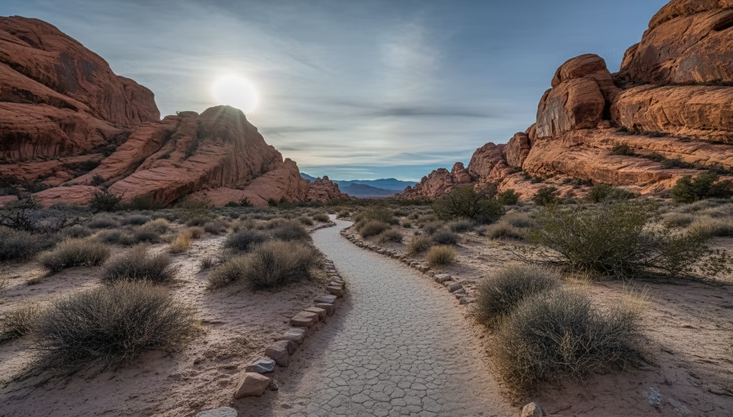
Sunny weather does not rule out seasonal mood changes.
SAD can happen in sunny places
The common story about SAD is simple: winter gets dark, light drops, mood worsens. That story is true for many people, but it is incomplete.
SAD is linked to seasonal changes that affect the body’s internal clock, sleep-wake rhythm, serotonin activity, and melatonin patterns. Light matters, but so do behavior, routine, temperature, physical activity, stress, and social connection.
Nevada has plenty of sunlight, especially in cities such as Las Vegas, Henderson, Mesquite, and Reno. Still, residents may face seasonal patterns that affect mood:
Shorter winter days
Even in sunny areas, daylight hours shrink in late fall and winter. Morning darkness can make it harder to wake up, and early sunsets can reduce after-work activity.
Extreme summer heat
In southern Nevada, triple-digit temperatures can push people indoors for weeks or months. Less outdoor movement and more isolation can affect mood.
Wildfire smoke and poor air quality
Northern Nevada and parts of western Nevada can experience smoke from regional wildfires. During smoky weeks, outdoor exercise and sunlight exposure may drop.
Tourism, service, and shift-work schedules
Nevada’s economy includes hospitality, gaming, healthcare, logistics, and service jobs. Irregular hours can disrupt sleep, which may worsen depression symptoms.
Holiday and financial stress
Seasonal work changes, family pressures, and expenses can make winter or summer emotionally harder.
According to the National Institute of Mental Health, SAD affects an estimated millions of U.S. adults, and many may not know they have it. A commonly cited estimate is that about 5% of U.S. adults experience SAD, with symptoms lasting around 40% of the year for some. Milder seasonal mood changes are also common, even when they do not meet the full criteria for major depression with a seasonal pattern.
Nevada-specific SAD prevalence data is limited. That matters because a lack of local data can make the condition easier to overlook. High sunlight does not automatically protect against seasonal depression, and desert living brings its own set of triggers.
What seasonal depression may feel like in Nevada
SAD is more than having a rough week when the weather changes. It involves a repeating pattern of depressive symptoms that appear during certain seasons and improve when that season passes.
For many people, winter-pattern SAD includes:
Low mood most of the day
Loss of interest in usual activities
Sleeping more than usual
Trouble waking up
Low energy or heavy fatigue
Craving carbohydrates or eating more than usual
Weight changes
Trouble concentrating
Feeling hopeless, guilty, or worthless
Withdrawing from friends, family, or community
Some people experience a summer pattern. This can be especially relevant in hot desert regions. Summer-pattern symptoms may include:
Insomnia or poor sleep
Loss of appetite
Agitation or restlessness
Anxiety
Irritability
Feeling trapped indoors by heat
Lower tolerance for noise, crowds, or daily stress
In Nevada, summer seasonal depression can be missed because summer is often framed as vacation season. Yet for someone living through months of extreme heat, bright glare, disrupted sleep, and limited outdoor time, the season can feel restrictive rather than restorative.
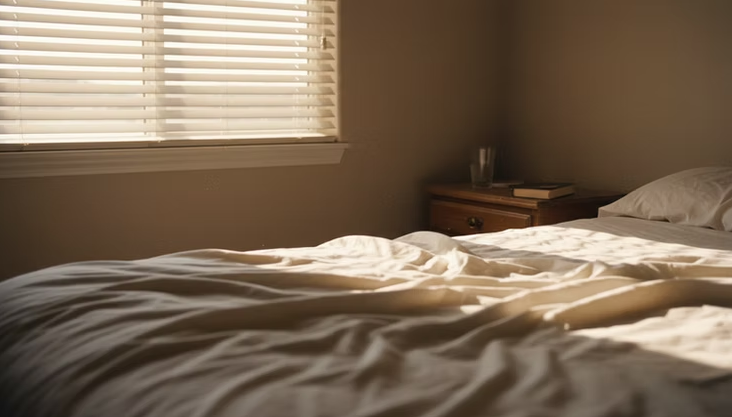
Sleep changes are one of the most common signs of seasonal mood shifts.
When symptoms point to something more serious
Seasonal mood changes deserve attention when they affect daily life. A person may still go to work, care for family, or attend school while quietly struggling.
It may be time to seek help if symptoms:
Last most days for two weeks or longer
Return around the same season each year
Interfere with work, school, parenting, or relationships
Lead to increased alcohol or substance use
Cause panic, hopelessness, or emotional numbness
Include thoughts of death or self-harm
If there is any immediate risk of self-harm, call or text 988, call 911, or go to the nearest emergency room. Support is available 24/7.
Nevada triggers that can shape SAD symptoms
Nevada is not one climate. Las Vegas and Henderson have very hot desert conditions. Reno and Carson City have colder winters and mountain weather nearby. Rural communities may face isolation, long travel distances for care, and limited public transit. These differences can shape how SAD appears.
| Nevada factor | How it may affect mood |
|---|---|
| Short winter daylight | Less morning light can disrupt circadian rhythm and sleep timing. |
| Extreme summer heat | People may avoid outdoor activity, social plans, and exercise. |
| Air quality and wildfire smoke | Smoke can keep people indoors and reduce movement and sunlight exposure. |
| Shift work and late-night jobs | Irregular sleep can increase vulnerability to depression and anxiety. |
| Rural distance | Longer drives and fewer nearby providers can delay support. |
| High glare and bright sun | Some people with migraines, sensory sensitivity, or anxiety may avoid outdoor light. |
| Seasonal tourism patterns | Work hours and income may change, adding stress. |
These triggers do not cause SAD in everyone. They can add pressure for people already vulnerable to depression, anxiety, bipolar disorder, trauma, sleep disorders, or chronic illness.
Family history may also play a role. SAD appears more often in people with a personal or family history of depression. It is also diagnosed more often in women, though people of any gender can experience it. Young adults may be affected as well, especially when school, work, and sleep routines shift seasonally.
Coping strategies that fit desert life
SAD is treatable. The best plan depends on symptoms, medical history, and whether the pattern is winter-based, summer-based, or tied to another condition. For some people, simple routine changes help. Others need therapy, medication, light therapy, or a combination of care.
Use light carefully and consistently
For winter-pattern SAD, morning light exposure may help. This can mean going outside soon after waking, opening blinds, or sitting near natural light.
Some people use a light therapy box. This should be discussed with a clinician, especially for anyone with bipolar disorder, eye conditions, migraines, or medications that increase light sensitivity.
In Nevada, light therapy needs a thoughtful approach. The issue may not be lack of sun overall. It may be timing. Morning light can help signal the body to wake up, while too much bright light late at night can make sleep worse.
Protect sleep like a medical habit
Sleep disruption can drive seasonal mood symptoms. A steady sleep schedule is one of the most useful supports.
Helpful steps include:
Wake up at the same time most days
Get bright light in the morning
Dim lights and screens at night
Keep the bedroom cool during hot months
Limit alcohol close to bedtime
Avoid long late-day naps when possible
For shift workers, consistency may be more realistic than a traditional schedule. The goal is to create a repeatable rhythm, even if the sleep window is unusual.
Plan movement around the climate
Exercise can support mood, but Nevada weather can make outdoor movement hard. In southern Nevada summers, safe movement may mean early morning walks, evening activity, mall walking, indoor classes, swimming, or short home workouts.
In northern Nevada winters, snow, ice, and cold mornings may create the opposite issue. Indoor walking routes, community recreation centers, yoga, stretching, and brief daylight walks can help.
Small amounts count. Ten minutes of movement is better than waiting for the perfect hour-long workout.
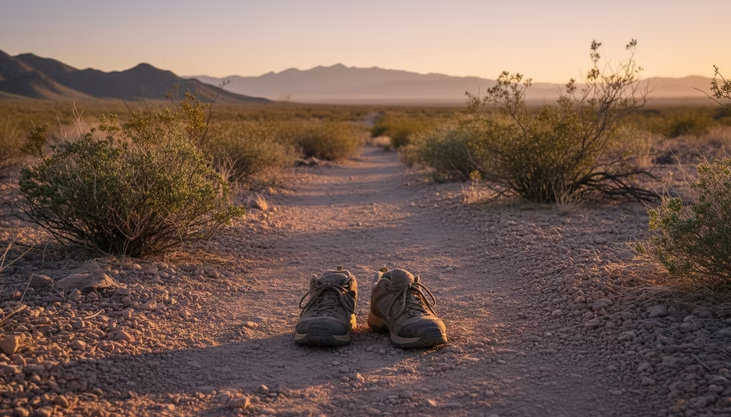
Early or shaded movement can make desert routines more manageable.
Reduce isolation before it deepens
SAD often encourages withdrawal. The harder part is that withdrawal can then make the symptoms worse.
Support does not have to mean a packed social calendar. It can be:
A weekly phone call
A walk with one trusted person
A support group
A faith or cultural community gathering
A class at a recreation center
A regular appointment with a therapist
People in rural areas may benefit from telehealth when local options are limited. Online therapy is not right for every situation, but it can lower the barrier to starting care.
Track the pattern
A simple mood log can reveal seasonal patterns. Track sleep, mood, energy, sunlight, outdoor time, exercise, major stressors, and menstrual cycle if relevant. After a few weeks, patterns may become clearer.
This record can also help a clinician tell the difference between SAD, major depression, bipolar disorder, anxiety, insomnia, thyroid issues, medication side effects, or grief.
Local support and resources in Nevada
Getting support in Nevada may start with a primary care clinician, therapist, psychiatrist, community clinic, or crisis line. The right starting point depends on symptom severity and access.
For immediate emotional crisis support, call or text 988. The 988 Suicide and Crisis Lifeline is available across the United States, including Nevada.
Other helpful starting points include:
Nevada 211
A statewide resource for finding local health, housing, food, transportation, and behavioral health services.
NAMI Nevada and local NAMI affiliates
NAMI groups often offer education, peer support, and family support for mental health conditions.
County and community behavioral health services
Local health districts, community clinics, and federally qualified health centers may offer mental health care or referrals.
University and college counseling centers
Students can often access short-term care, crisis support, and referrals through campus services.
Primary care offices
A primary care provider can screen for depression, check for medical contributors, discuss sleep, and refer to therapy or psychiatry.
Telehealth mental health care
Telehealth can be especially useful for rural communities, people with transportation barriers, or those whose symptoms make it hard to leave home.
When searching online, terms such as desert SAD symptoms, summer seasonal depression, Nevada mental health provider, and Henderson psychiatric care can help narrow results to climate-aware and locally relevant support.
If cost is a concern, ask about sliding-scale fees, Medicaid acceptance, community clinics, training clinics, and group therapy. If transportation is a barrier, ask whether intake appointments can be done by phone or video.
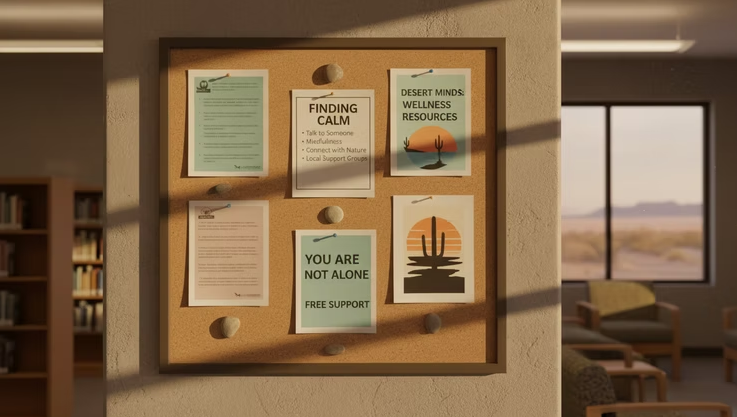
Community spaces can be a starting point for finding support.
A more compassionate way to understand SAD in Nevada
Seasonal depression in a sunny state can carry an extra layer of doubt. People may think they should feel fine because the sky is blue. They may compare themselves to visitors who come to Nevada for warmth, entertainment, or outdoor beauty.
But mental health does not follow postcard logic. A bright day can still be lonely. Heat can still be isolating. Winter light can still be too short. Smoke can still keep someone inside. A seasonal work schedule can still wear down the body.
SAD is not a personal failure. It is a real pattern of symptoms that deserves care. The earlier someone notices the signs, the easier it may be to build support before the hardest weeks arrive.
A practical next step is to look back over the past few years. Do mood, sleep, energy, or anxiety tend to shift during the same months? If yes, bring that pattern to a healthcare provider. With the right plan, seasonal changes can become more predictable, more manageable, and less lonely.
Take control of your mental wellness. Book your virtual psychiatric evaluation today and let's build a treatment plan that actually works for you.
