Perimenopause and Mood Changes: Why Anxiety Rises in Your 40s and How to Cope

Mood changes in your 40s can feel confusing, especially when life looks “fine” on the outside. You may be managing work, family, relationships, aging parents, health changes, and a long list of invisible responsibilities, then suddenly anxiety arrives at 3 a.m. or sadness lingers longer than it used to.
For many people, this is not a personal failure. It can be part of perimenopause, the transition before menstrual periods stop. Hormones shift in uneven waves during this time, and those shifts can affect sleep, stress tolerance, energy, and mood.
This article is for general education only and is not a substitute for medical or mental health care. If mood symptoms feel intense, persistent, or unsafe, reach out to a qualified clinician.

Why mood changes can intensify in your 40s
The 40s often bring a perfect storm of biology and life pressure. Hormones may become less predictable, sleep may become lighter, and stress may be harder to shake off. At the same time, many people are carrying a heavy emotional load.
Mood changes during this stage can include:
More frequent worry or racing thoughts
Irritability that feels out of proportion
Tearfulness or sadness without a clear trigger
Lower motivation
Panic-like sensations
Trouble sleeping, then feeling more anxious the next day
Feeling less patient or less emotionally steady
Some people notice symptoms before their periods change much. Others first notice irregular cycles, heavier or lighter bleeding, night sweats, hot flashes, or changes in libido. Mood symptoms can appear alongside these physical changes, or they may seem to arrive on their own.
The overlap between depression, anxiety, menopause, and everyday stress can be hard to sort out. That is why it helps to look at several pieces of the puzzle rather than assuming there is only one cause.
Hormonal fluctuations can affect the brain
Estrogen and progesterone do more than regulate the menstrual cycle. They also interact with brain chemicals involved in mood, sleep, and stress response.
During the years leading up to the end of menstruation, estrogen may rise and fall unevenly. Progesterone can also decline or fluctuate. These changes may affect:
Serotonin
This chemical plays a role in mood, appetite, and sleep.
GABA
This calming neurotransmitter helps the nervous system settle.
Cortisol sensitivity
Cortisol is part of the stress response. When the body feels more reactive, everyday stress can feel bigger.
Hormone changes do not cause the same symptoms in everyone. Some people move through this stage with mild shifts. Others feel like their internal thermostat, sleep rhythm, and emotional balance have all changed at once.
There is also a strong sleep connection. Night sweats, hot flashes, early morning waking, or restless sleep can make anxiety worse. Even one poor night of sleep can make the brain more sensitive to threat the next day. After weeks or months, that pattern can feel like a new personality, when it may actually be a nervous system running on too little rest.

Lifestyle factors can raise the volume on anxiety
Hormones matter, but they are not the whole story. Midlife often brings lifestyle changes that quietly affect mood.
Sleep may shrink because of caregiving, work deadlines, pain, hot flashes, or worry. Exercise may drop because time feels limited. Meals may become more rushed. Alcohol may creep in as a way to relax, then disrupt sleep and increase next-day anxiety. Caffeine may help with fatigue, then worsen jitters or palpitations.
Several everyday patterns can make mood swings more likely:
Skipping meals, which can cause blood sugar dips
Relying on caffeine after poor sleep
Drinking alcohol close to bedtime
Exercising less due to time pressure or fatigue
Staying indoors most of the day
Carrying chronic stress without recovery time
None of this means mood symptoms are “your fault.” It means the body may be asking for more support. Small changes can lower the overall stress load, especially when symptoms feel unpredictable.
Emotional challenges can surface during this phase
The 40s can bring emotional questions that are deeper than hormones.
Many people begin to reassess identity, relationships, work, purpose, body image, and what they want from the next chapter. Children may be growing more independent, or caregiving demands may be increasing. Some people are grieving losses, navigating divorce, dealing with fertility changes, or noticing that old coping strategies no longer work.
This stage can also stir up a sense of invisibility. Physical changes may arrive before there is language or support for them. Friends may not be talking about it. Medical visits may focus on lab results while the person sitting in the exam room is thinking, “I do not feel like myself.”
That feeling deserves attention.
A useful way to think about midlife mood changes is this: hormones may lower the threshold, and life stress may push the nervous system past it. The result can be anxiety, irritability, sadness, or emotional exhaustion.
Practical ways to manage mood swings
There is no single fix for mood changes in midlife. A layered approach tends to work best. Think of these tools as ways to make the nervous system feel safer, steadier, and better supported.
Move your body in a way you can repeat
Exercise is one of the most reliable mood supports available. It can reduce stress hormones, improve sleep quality, support blood sugar balance, and boost confidence.
You do not need intense workouts to benefit. Start with what feels realistic.
Good options include:
A brisk 20 to 30 minute walk
Strength training two or three times a week
Yoga or Pilates
Swimming
Cycling
Dancing at home
Gentle stretching before bed
Strength training is especially helpful in midlife because it supports muscle, bone health, metabolism, and stable energy. Walking can be equally powerful for stress relief, especially outdoors.
The best exercise is the one you will actually do. If motivation is low, make the first goal small: shoes on, five minutes outside, one song of movement, or one set of bodyweight squats. Consistency matters more than perfection.

Eat to support blood sugar and brain health
Food cannot erase major depression or severe anxiety, but it can support a steadier mood. Blood sugar swings can feel like irritability, shakiness, fatigue, or panic for some people.
Aim to build meals around:
Protein, such as eggs, Greek yogurt, tofu, fish, poultry, beans, or lentils
Fiber-rich carbohydrates, such as oats, berries, vegetables, quinoa, or sweet potatoes
Healthy fats, such as olive oil, avocado, nuts, seeds, or salmon
Enough fluids throughout the day
Try not to go too long without eating, especially in the morning if anxiety tends to spike then. Some people feel better when they reduce alcohol, limit late-day caffeine, or pair carbohydrates with protein.
A simple plate might look like salmon, roasted vegetables, and brown rice. Another might be scrambled eggs with spinach and whole-grain toast. The point is not restriction. The goal is nourishment and stability.
Use mindfulness to calm the stress response
Mindfulness is not about forcing yourself to be calm. It is a way to notice what is happening without adding more fear to it.
When anxiety rises, the body often interprets the sensation as danger. A racing heart becomes “something is wrong.” A hot flash becomes “I cannot handle this.” Mindfulness can create a small pause between sensation and reaction.
Try this short practice:
Place one hand on your chest and one on your belly.
Inhale through your nose for four counts.
Exhale slowly for six counts.
Notice the feeling of your feet on the floor.
Name three things you can see.
Repeat for two minutes.
Longer practices can help too, such as meditation, prayer, breathwork, tai chi, or gentle yoga. The key is regular practice when you are not in crisis, so the skill is easier to access when symptoms rise.
Track symptoms without obsessing over them
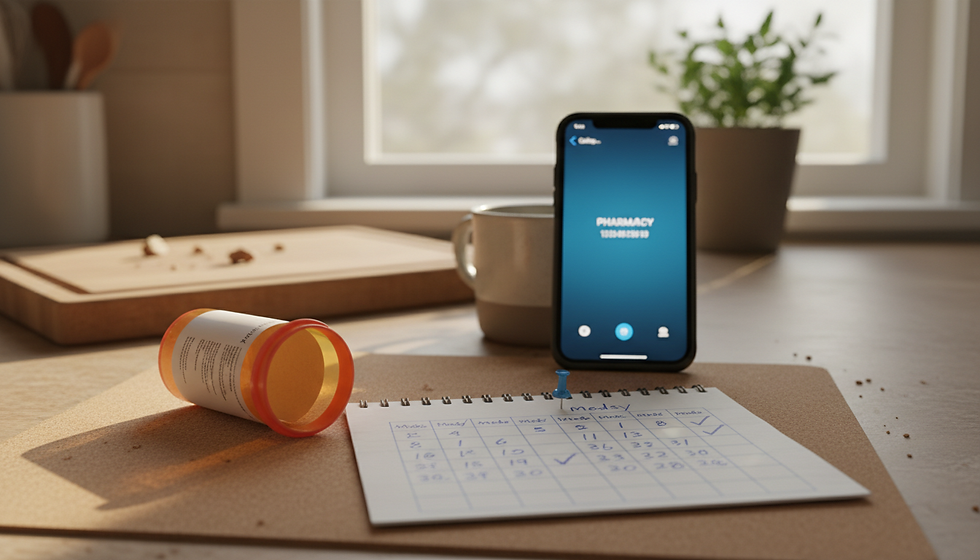
A symptom tracker can help you see patterns. It can also make medical appointments more productive.
For a few months, note:
Menstrual cycle changes
Mood changes
Sleep quality
Hot flashes or night sweats
Alcohol or caffeine intake
Exercise
Major stressors
Medications or supplements
Keep it simple. A one to five rating for mood and sleep is enough. The goal is clarity, not surveillance.
Patterns may show that anxiety spikes before bleeding, after poor sleep, after alcohol, or during high-stress weeks. Once you see the pattern, you can plan more support around vulnerable times.
When to reach out for professional support
Self-care can help, but it should not replace care when symptoms are interfering with daily life. Support is especially important if anxiety or low mood affects work, relationships, parenting, sleep, appetite, or your ability to enjoy life.
Reach out promptly if you notice:
Persistent sadness or hopelessness
Panic attacks
Loss of interest in things you usually enjoy
Thoughts of self-harm
Severe insomnia
Increased alcohol or substance use to cope
Mood changes that feel extreme or frightening
A clinician can help sort out what is contributing. That may include hormone changes, thyroid concerns, anemia, medication side effects, trauma, grief, or a mood disorder. Treatment options may include therapy, lifestyle support, medication, hormone therapy for appropriate candidates, or a combination of approaches.
If you are in immediate danger or thinking about harming yourself, call or text 988 in the United States for the Suicide and Crisis Lifeline, or seek emergency care.

A steadier path through midlife mood changes
Mood changes in your 40s can be unsettling, but they are also understandable. Hormonal shifts can affect brain chemistry, sleep, and stress tolerance. Lifestyle strain and emotional transitions can add more pressure. When all of these forces meet, anxiety and low mood can rise even in people who have always felt steady before.
Start with the basics: protect sleep, move often, eat regularly, reduce alcohol if it worsens symptoms, and practice simple calming skills. Track what you notice. Talk about what is happening with someone safe. If symptoms persist or feel too heavy to manage alone, professional support can make this stage feel far less isolating.
For personalized mental health support, you can book an appointment with Carissimi Mental Health.
This phase is real, and support is real too. With the right care and daily tools, it is possible to feel more grounded, more informed, and more like yourself again.


Comments