The Comprehensive Guide to Inulin Benefits Uses Side Effects and How to Incorporate It into Your Diet

Updated: Aug 24
Inulin is gaining attention as a natural ingredient that supports gut health and overall wellness. Many patients exploring integrative psychiatry find inulin a helpful addition to their diet because of its potential to improve digestion and mental well-being. This guide explains what inulin is, its benefits, how to use it safely, and what to watch out for.
What Is Inulin?
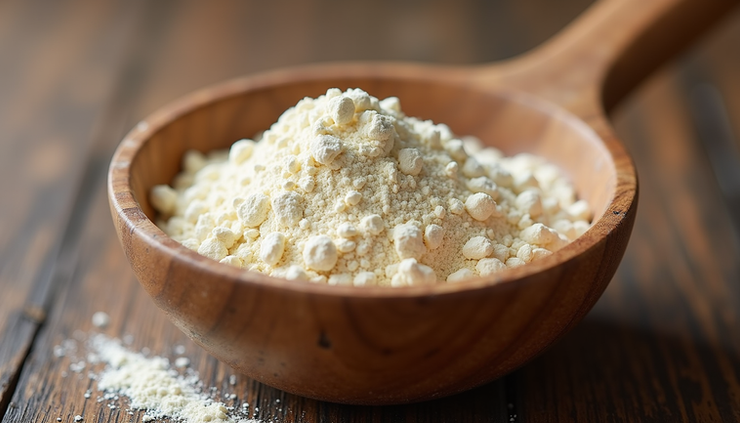
Inulin is a type of soluble fiber found naturally in many plants, including chicory root, garlic, onions, and asparagus. Unlike other fibers, inulin is a prebiotic, meaning it feeds the good bacteria in your gut. This helps maintain a balanced gut microbiome, which plays a crucial role in digestion, immune function, and even mood regulation.
Benefits of Inulin for Gut Health and Beyond
Inulin offers several benefits that make it a popular choice for those seeking integrative treatment options:
Supports Digestive Health
Inulin promotes the growth of beneficial gut bacteria like Bifidobacteria. This can improve bowel regularity, reduce constipation, and enhance nutrient absorption.
Improves Blood Sugar Control
Some studies show that inulin can help regulate blood sugar levels by slowing digestion and improving insulin sensitivity.
Supports Weight Management
Because inulin adds bulk without calories and increases feelings of fullness, it may help reduce overall calorie intake.
Enhances Mineral Absorption
Inulin can improve the absorption of minerals such as calcium and magnesium, which are important for bone health.
Potential Mental Health Benefits
Emerging research in integrative psychiatry suggests that a healthy gut microbiome, supported by prebiotics like inulin, may positively influence mood and cognitive function.
How to Use Inulin Safely
Inulin is available in various forms, including powders, capsules, and as an ingredient in some foods. Here are practical tips for incorporating it into your diet:
Start Slowly
Begin with a small dose, such as 2 to 3 grams per day, to allow your digestive system to adjust. Gradually increase to 10 grams daily if tolerated.
Mix with Food or Drinks
Inulin powder dissolves easily in water, smoothies, or yogurt. It can also be added to baked goods or cereals.
Check Food Labels
Some processed foods contain added inulin for fiber enrichment. This can be an easy way to increase intake.
Consistency Matters
Regular use over weeks is needed to notice benefits for gut health and digestion.

Possible Side Effects and Contraindications
While inulin is generally safe, some people may experience side effects, especially when starting or taking high doses:
Gas and Bloating
Because inulin ferments in the gut, it can cause gas, bloating, or mild stomach discomfort initially.
Diarrhea or Loose Stools
High doses may lead to diarrhea in sensitive individuals.
Allergic Reactions
Rarely, some people may have allergic reactions to inulin-containing plants.
Contraindications
People with irritable bowel syndrome (IBS) or small intestinal bacterial overgrowth (SIBO) may find inulin worsens symptoms. Always consult a healthcare provider before starting if you have digestive disorders.
Integrating Inulin into an Integrative Psychiatry Approach
Integrative psychiatry focuses on treating mental health by addressing physical, emotional, and lifestyle factors. Gut health plays a key role in this approach. Adding inulin to your diet can support the gut-brain connection by nurturing beneficial bacteria that produce neurotransmitters and reduce inflammation.
For example, patients with anxiety or depression might benefit from improved gut health through prebiotics like inulin, alongside therapy and other treatments. Discussing dietary changes with your integrative psychiatry provider ensures a safe and personalized plan.

Practical Tips for Adding Inulin to Your Diet
Add a teaspoon of inulin powder to your morning smoothie or coffee.
Use inulin-enriched fiber bars or cereals as snacks.
Incorporate natural sources like chicory root or Jerusalem artichokes into meals.
Combine inulin with probiotics for enhanced gut health benefits.
Monitor your body's response and adjust intake accordingly.
Summary
Inulin is a natural fiber that supports gut health by feeding beneficial bacteria. Its benefits include improved digestion, better blood sugar control, and potential mental health support through the gut-brain axis. Starting with small doses and consulting healthcare providers, especially in integrative psychiatry, helps ensure safe use. Incorporating inulin into your diet can be a simple, effective step toward better overall health.
If you are interested in exploring integrative treatment options, book your appointment today to discuss how they might help you on your journey thriving, not just surviving.



Comments