Why ADHD in Women Is Often Missed Until Adulthood

A woman can spend decades believing she is “too sensitive,” “bad at routines,” “always behind,” or “not trying hard enough,” when the real issue is an untreated neurodevelopmental condition.
For many women, ADHD does not look like the stereotype. It may not look like a child who cannot sit still in class or a loud, impulsive boy interrupting every conversation. It may look like chronic overwhelm, emotional exhaustion, quiet disorganization, perfectionism, anxiety, missed deadlines, forgotten appointments, and a private sense of shame.
That is one reason ADHD in women is so often recognized late. Many reach adulthood, careers, marriages, parenting, or burnout before anyone asks the right questions.
This article is informational only and is not a substitute for medical advice, diagnosis, or treatment. A qualified clinician can help sort through symptoms and next steps.
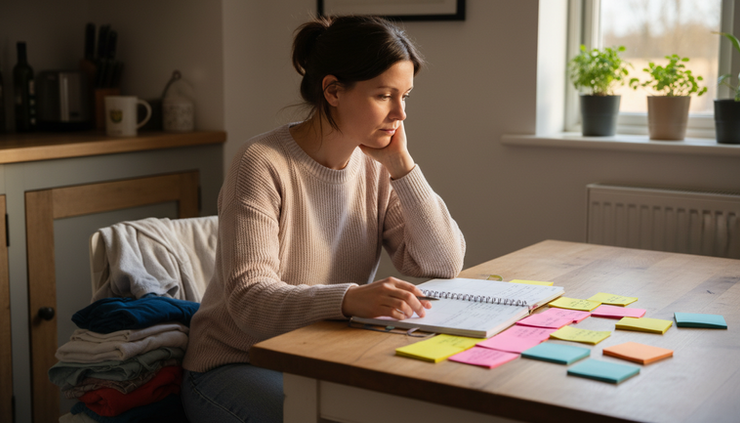
Why ADHD is often overlooked in girls and women
ADHD has historically been studied and diagnosed more often in boys. That shaped the public image of the condition. Teachers, parents, and even clinicians were trained to look for visible hyperactivity, disruptive behavior, and obvious impulsiveness.
Girls with ADHD may show those traits too, but many do not. They may sit still, get decent grades, and avoid “causing trouble.” Instead of climbing furniture or blurting out in class, they may daydream, lose track of instructions, misplace things, feel overwhelmed by simple tasks, or work twice as hard to keep up.
Because the signs are quieter, they can be mislabeled.
A girl who cannot focus may be called dreamy.
A teen who procrastinates may be called lazy.
A young adult who forgets plans may be called careless.
A mother who cannot manage the constant mental load may be told everyone is tired.
These explanations can sound ordinary, so the ADHD goes unseen.
Good grades can hide real impairment
Many girls compensate by becoming high achievers. They use fear, pressure, all-nighters, and perfectionism to get through school. From the outside, they look successful. Inside, they may feel like their life runs on panic.
A child who earns A’s is less likely to be flagged for an evaluation, even if she forgets homework, melts down after school, studies for hours longer than peers, or cannot start assignments until the last possible moment.
This pattern often collapses later, when life becomes less structured. College, work, relationships, caregiving, and household responsibilities demand planning skills that school may have quietly supplied through deadlines, reminders, and external pressure.
Hormones can complicate the picture
Many women report that ADHD symptoms shift with hormonal changes. Symptoms may feel worse before a period, after childbirth, during perimenopause, or during menopause. Research continues to explore the link between estrogen and attention, mood, and executive function.
This can lead to confusion. A woman may seek help for mood swings, anxiety, irritability, or sleep problems without anyone asking whether attention and executive function have always been difficult.
How symptoms can look different in women
ADHD is not one single presentation. Some people are mainly inattentive. Some are mainly hyperactive or impulsive. Many have a combined pattern. In women, symptoms often show up in ways that others do not immediately recognize as ADHD.
These can include:
Chronic mental clutter
Thoughts jump from one task to another. The mind feels crowded, noisy, or hard to steer.
Trouble starting tasks
Even simple chores can feel impossible to begin, especially if they are boring, unclear, or emotionally loaded.
Time blindness
A person may underestimate how long things take, lose track of time, or feel surprised by deadlines that were clearly known.
Emotional sensitivity
Criticism, conflict, rejection, and disappointment can feel intense and hard to shake off.
Overwhelm with daily maintenance
Laundry, meals, texts, bills, appointments, errands, and clutter can become a constant source of stress.
Impulsive spending, eating, talking, or decision-making
Impulsivity may be internal or private, not always loud or obvious.
Restlessness without visible hyperactivity
Instead of running around, restlessness may feel like racing thoughts, tension, fidgeting, skin picking, constant multitasking, or an inability to relax.
This is why undiagnosed adult ADHD symptoms in women are often mistaken for anxiety, depression, personality flaws, or poor discipline.

The role of masking
Many women become skilled at hiding their symptoms. This is often described as masking.
Masking can look like:
Rehearsing conversations before making a phone call
Arriving very early because being late has caused shame before
Keeping multiple calendars, alarms, and lists but still feeling behind
Smiling through confusion instead of asking for instructions again
Overpreparing to avoid being seen as disorganized
Copying how others manage routines and social cues
ADHD masking women may appear calm and capable while privately spending enormous energy to maintain that image. Over time, the effort can lead to exhaustion, resentment, and burnout.
Case study 1
Maya, 34, always saw herself as responsible but scattered. She had a graduate degree, a demanding job, and a reputation for helping others. At home, though, bills piled up. She forgot birthdays, lost her keys daily, and cried when she had to make routine phone calls.
Her doctor treated her for anxiety for years. Therapy helped her shame, but not the constant disorganization. After her daughter was evaluated for ADHD, Maya recognized the same patterns in herself. An adult ADHD psychiatric evaluation helped her connect the dots.
The diagnosis did not erase her challenges, but it changed the story. She stopped asking, “Why can’t I just be normal?” and started asking, “What supports does my brain need?”
Societal expectations can make symptoms harder to see
Women are often expected to manage the invisible work of life. They may be expected to remember birthdays, plan meals, coordinate children’s schedules, respond to messages, keep the home organized, maintain friendships, regulate emotions, and remain pleasant while doing it.
For someone with ADHD, this mental load can feel like holding water in open hands.
The problem is not a lack of caring. Many women with ADHD care deeply. They may care so much that they overpromise, overextend, and blame themselves when they cannot follow through.
Social expectations can also affect how symptoms are judged. A messy room in a boy may be brushed off. A messy room in a girl may be treated as a character problem. A boy who interrupts may be seen as energetic. A girl who interrupts may be seen as rude. A man who forgets details may be “busy.” A woman who forgets details may be “selfish.”
These messages teach many women to internalize their symptoms.
That internal pressure can delay diagnosis for years.

The mental health impact of late diagnosis
Late-diagnosed ADHD can affect far more than productivity. It can shape a person’s identity.
Women who grow up without an explanation for their symptoms may develop years of self-criticism. They may believe they are unreliable, dramatic, lazy, messy, forgetful, or broken. That belief can be deeply painful.
ADHD also commonly overlaps with other mental health conditions. Many people with ADHD experience anxiety, depression, sleep problems, substance use concerns, eating struggles, or trauma-related symptoms. Sometimes these conditions are separate. Sometimes they develop after years of untreated ADHD stress. Sometimes they hide the ADHD underneath.
A woman might seek help because she feels anxious, but the anxiety may come from constantly missing details. She might feel depressed because she cannot keep up, even when she is trying hard. She might feel irritable because every day demands more executive function than she has available.
Case study 2
Tanya, 46, reached out for help after what she called “a breakdown over laundry.” She had two teenagers, an aging parent, and a full calendar. She could manage emergencies well, but ordinary upkeep overwhelmed her.
She often stayed up late trying to catch up, then woke exhausted and ashamed. Small mistakes felt unbearable. When a clinician asked about her childhood, Tanya described a lifetime of losing things, procrastinating, doodling through class, and being told she was smart but careless.
Her diagnosis brought grief first. She wondered what life might have been like if someone had noticed earlier. Then came relief. She began using practical supports, adjusted her expectations, and talked with her family about sharing the mental load.
Late diagnosis can bring both feelings at once: sadness for the years lost and hope for what can change.
How to seek diagnosis and support
Getting evaluated as an adult can feel intimidating, especially for women who have been dismissed before. Still, clear documentation and the right clinician can make the process easier.
A good evaluation does not rely on one quick question. It usually includes a detailed history of symptoms, current challenges, childhood patterns, mental health history, family history, and how symptoms affect daily life.
Before an appointment, it can help to write down examples.
Include details such as:
Patterns that began in childhood, even if they looked mild
School reports or comments like “does not apply herself” or “talks too much”
Missed deadlines, late fees, clutter, forgotten appointments, or job issues
Emotional regulation struggles
Sleep difficulties
Family history of ADHD, learning differences, anxiety, or depression
Coping systems that work only through stress or urgency
If possible, ask someone who knew you as a child to share what they remember. This is not always available or emotionally safe, so do not treat it as a requirement. Adult experiences still matter.
What support can include
Support for adult female ADHD may involve several parts. The right mix depends on the person, health history, preferences, and clinician guidance.
Common supports include:
Education about ADHD
Understanding the condition can reduce shame and make symptoms easier to manage.
Medication
Some people benefit from stimulant or nonstimulant medication prescribed by a qualified clinician.
Therapy
Therapy can help with shame, anxiety, emotional regulation, boundaries, and the grief that may come with late diagnosis.
ADHD coaching or skills-based support
Coaching can help with planning, routines, prioritizing, and follow-through.
Environmental changes
Visible storage, fewer steps, shared calendars, timers, and reminders can reduce friction.
Community
Support groups, trusted friends, or family education can reduce isolation.
The goal is not to become a different person. The goal is to build a life that works with the brain you have.
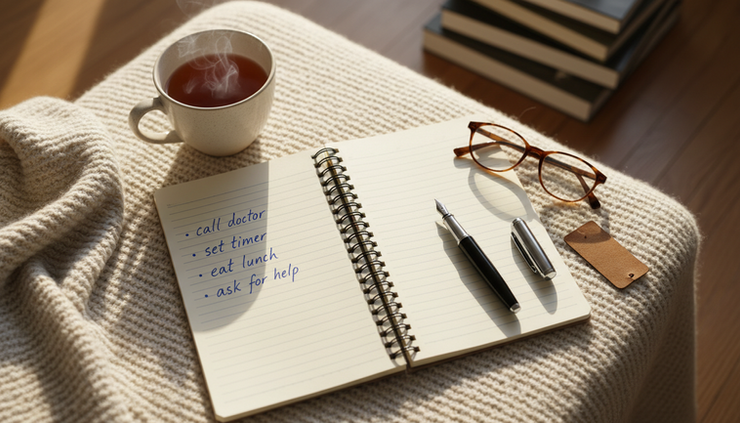
Awareness changes the outcome
When ADHD is missed, women often carry the blame alone. When it is recognized, the story can change.
A diagnosis can explain why certain tasks have always felt harder. It can help families understand that forgetfulness is not indifference. It can help clinicians treat the whole picture, not just the anxiety or depression that may sit on top. It can help women replace shame with strategy.
Awareness also matters before adulthood. Parents, teachers, pediatricians, therapists, and primary care doctors can look beyond stereotypes. A quiet, bright, overwhelmed girl may need support just as much as a visibly hyperactive child. A woman who appears successful may still be struggling beneath the surface.
The most helpful response is curiosity, not judgment.
If symptoms are interfering with daily life, relationships, work, school, parenting, or mental health, seeking an evaluation is a reasonable next step. Bring examples. Ask direct questions. If concerns are brushed aside without a full discussion, it is okay to seek another qualified opinion.
ADHD does not erase someone’s strengths. Many women with ADHD are creative, intuitive, energetic, compassionate, and quick-thinking. Still, strengths do not cancel out support needs.
The real takeaway is simple: many women have spent years trying harder when they needed better understanding. Recognition can be the first step toward relief, treatment, and a kinder way to live.
Take control of your mental wellness. Book your virtual psychiatric evaluation today and let's build a treatment plan that actually works for you.



Comments